
At the request of oil and gas producing countries, JCCP and counterpart organizations launch a joint technical cooperation to solve issues such as improving oil refinery processes and efficiency, enhancing energy/environmental conservation efforts, developing new technology, and tackling other technical issues with the participation of Japanese oil and engineering companies, etc.
They are divided into three categories according to their phases.
Basic Survey / Project Finding
For the purpose of studying current or underlying issues in refining processes, and crystallizing subjects to take up as the theme of a joint program, JCCP sends missions to the field in cooperating countries. JCCP decides, based on the results of this first phase, whether to proceed to the next phase, Project Formation Study.
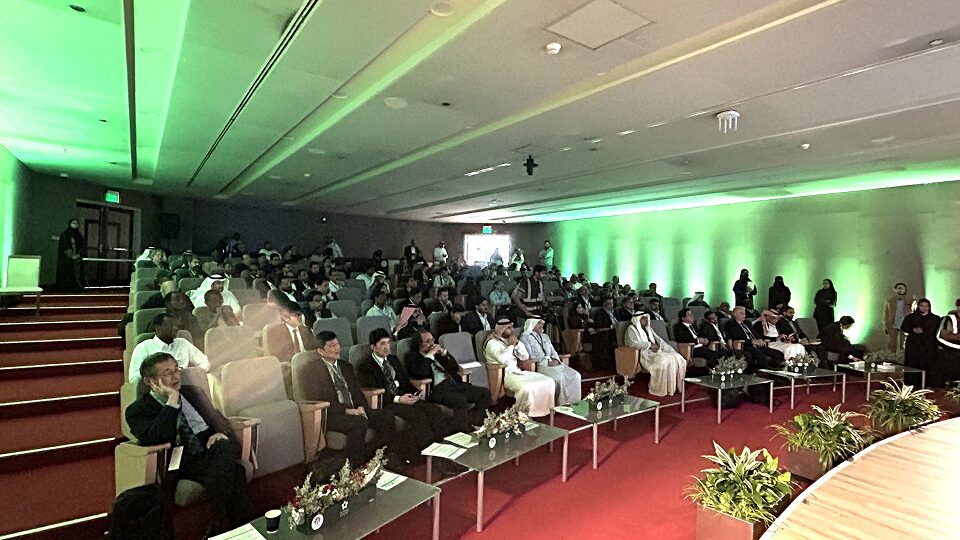
Project Formation Study(Confirmation of Project Feasibility)
JCCP, counterpart organizations and participating Japanese businesses, jointly study and review the program goals, scope of work, implementation system, program schedules, and other items. By doing so, JCCP evaluates the feasibility of the projects as a joint-venture which contributes to the strengthening of the petroleum and energy industries in the partner countries.
JCCP also evaluates whether the project provides the country with technology transfer opportunities by the Japanese industries.
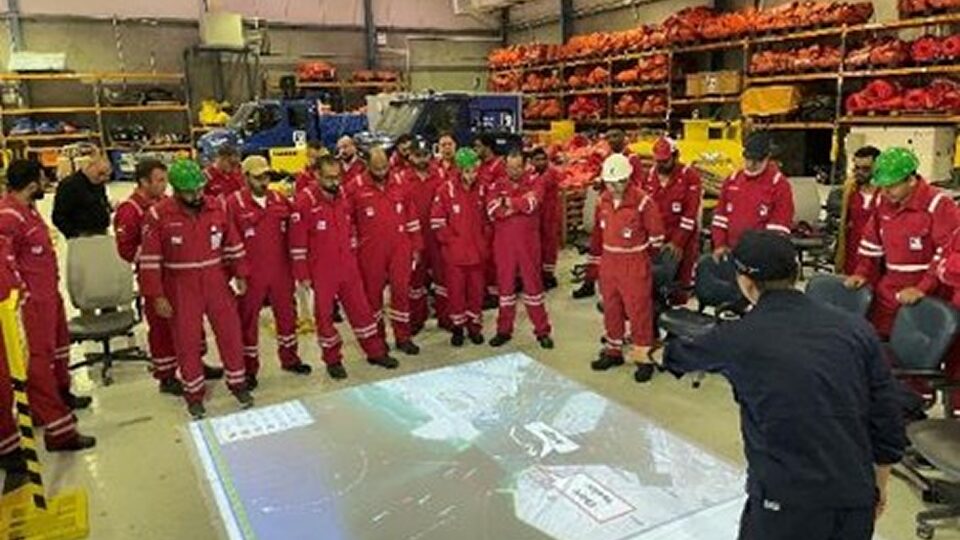
Joint Technical Cooperation ( Implementation of Projects in cooperation with Oil and Gas Producing Countries)
After the feasibility of a project is confirmed and once JCCP decides to undertake it as a Joint Technical Program on the ground that the project contributes to the development of the petroleum and energy industries of the partner countries. JCCP and the counterpart organizations of the partner countries
shall conclude a Joint Project Agreement. The project will thereby be officially launched and the work to address issues in the petroleum and energy industries in the partner country will begin.